The AI CoLab, a health and AI research collaboration between Georgetown University and MedStar Health, brought clinical researchers, theologians, bioethicists, healthcare executives, and technology leaders to Rome on September 23-24 for GRAiCE-MED 2026, the Global Research Summit on AI, Behavioral Health, and Human-Centered Healthcare Excellence. Organized by the AI CoLab’s Dr. William Mea and Dr. Nawar Shara, the summit was built around one question: where is the line between AI in healthcare helping patients and quietly turning them into data points — and who decides where that line falls?
A Missing Piece
The conversation at GRAiCE-MED isn’t the one dominating the news. That conversation is really about three things: which company captures the most users, the most revenue, the most compute — and who beats China. Taking the conversation to Rome did something the boardrooms and the Hill rarely do. It asked what gets preserved, not just what gets won. Human dignity doesn’t show up on a cap table or a national security briefing, which is exactly why it needs leaders — in companies and in government — willing to treat it as a non-negotiable in what they build, not a line in a press release.
It’s also the conversation that will eventually touch every American: how AI changes healthcare decisions, patient rights, and human dignity. Policymakers will be forced to address those consequences whether they’re ready or not.
Why a Pope Was on the Agenda
Pope Leo XIV didn’t attend in person, but he set the conversation in motion. The agenda leaned on his first encyclical, Magnifica Humanitas (“Magnificent Humanity”), released in May. When Leo XIV chose his name in 2025, he said it was mainly in honor of Pope Leo XIII, whose 1891 encyclical Rerum Novarum became the foundational document of modern Catholic social teaching, addressing workers’ rights and human dignity during the first Industrial Revolution. Leo XIV signaled from day one that he saw AI as a second industrial revolution requiring the same moral seriousness. Magnifica Humanitas, signed on the 135th anniversary of Rerum Novarum, warns that AI risks reducing people to “projects to be optimized” and calls for technology that serves human dignity rather than concentrating power.
That’s one of the world’s oldest institutions formally naming AI a civilization-level issue, on par with industrialization. GRAiCE-MED applied that framing to one specific, high-stakes domain: medicine. It shaped the summit’s practical agenda — who should govern clinical AI, how accountability should work when automated systems influence care, and which human judgments must remain beyond optimization.
What Happened
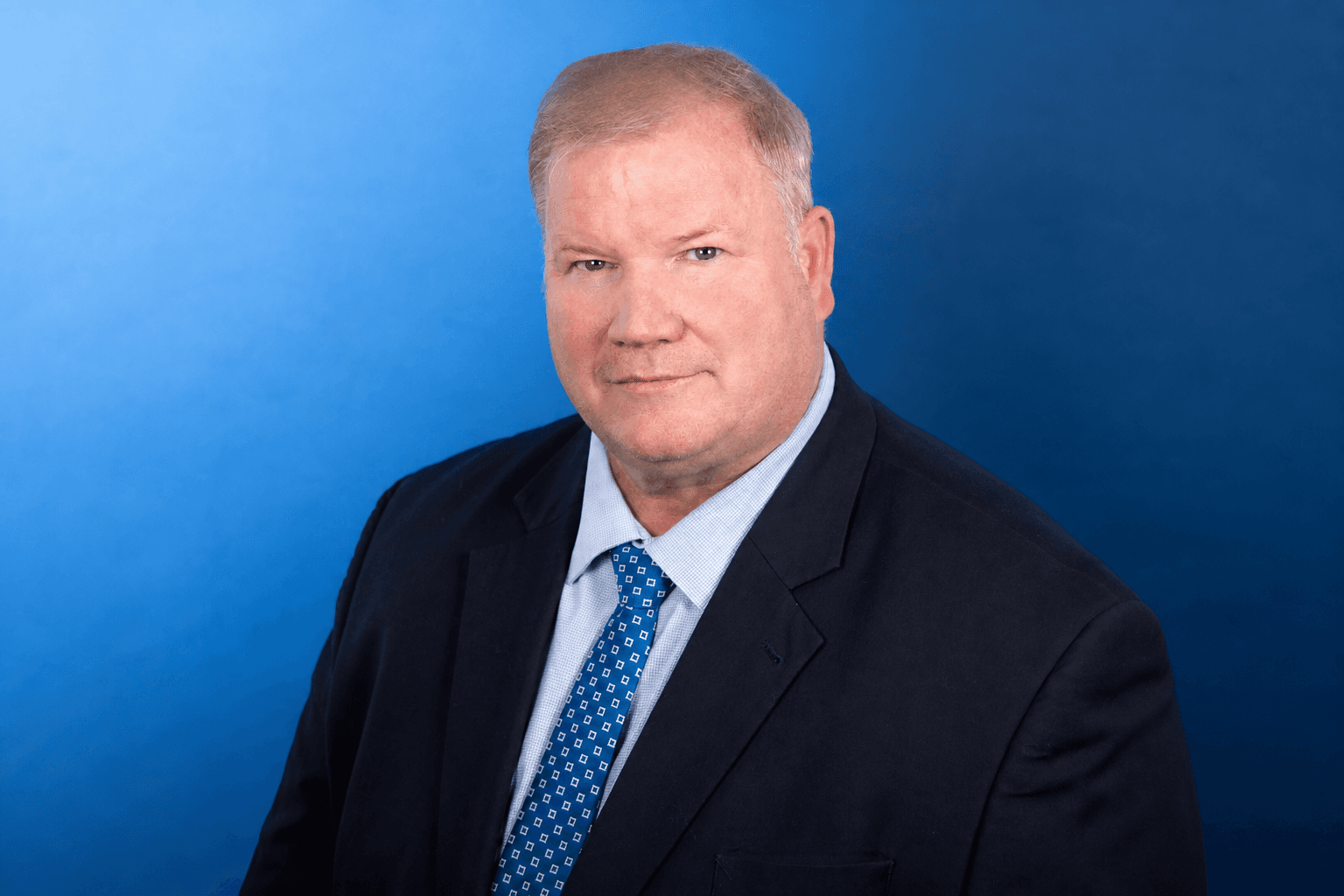
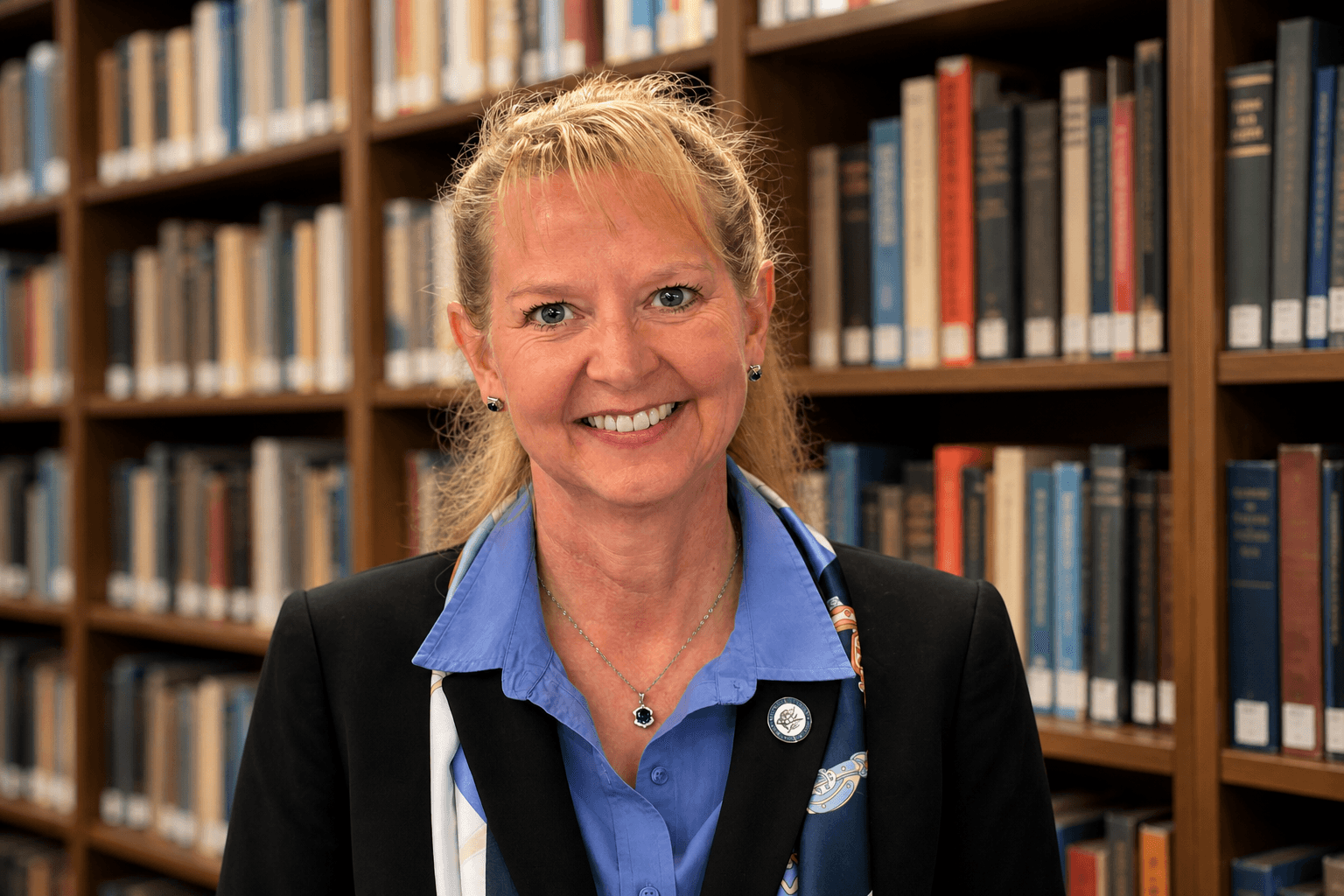
Fr. Michael Baggot of the Pontifical Athenaeum Regina Apostolorum; and Louis Kim, HP’s former vice president of AI and Wearables were a few of the many notable speakers. Sessions moved from governance delays and clinical trials to global health equity and the preservation of human empathy in AI-driven mental health care — the concern both Drs. Mea and Shara repeatedly brought back to the center of the discussion. This was, by any honest account, their event — they both understand the complexity of the challenges and the enormity of the opportunity in bringing AI into how we practice health and wellness.

 Michael Johannessen12 min read
Organizers said the goal wasn’t just discussion: the summit is meant to produce consensus principles for responsible clinical AI and a roadmap for accountability as the technology moves into real healthcare systems.
Why This Belongs on Your Radar
This isn’t a hypothetical problem elected officials will deal with someday. It’s already landing on their desks.
In six states — Washington, Arizona, New Jersey, Ohio, Oklahoma, and Texas — Medicare patients are having treatments approved or denied by AI under a Federal pilot program, with no advance notice and no vote in Congress. One 83-year-old Seattle man with a debilitating spinal condition was denied a routine pain procedure three separate times by an algorithm before learning a person had never reviewed his case at all. A state senator has since called for the program to be scrapped, citing patients waiting two to four times longer than normal for care. Doctors describe the review process as a black box they can’t get anyone on the phone to explain. That’s a constituent calling a congressional office this month, asking why a computer decided their father couldn’t get his procedure.
At the same time, AI is delivering measurable gains elsewhere in medicine. Italian firm InsilicoTrials says it used AI to move a new lung-disease treatment from concept to clinical trial in under 18 months, compared with a typical four years, with dozens more drugs now in its pipeline. The AI Colab has many examples of when AI helped improve patient-provider communication and patients’ outcomes. In a recent study conducted by Dr. Shara, an LLM-chatbot was designed to assist GI cancer patients communicate their symptoms in the comfort of their homes which were shown on a dashboard by their care team in real time. The LLM is shown to alleviate emotional distress and help patients feel connected with their healthcare providers. PsycHealth LLC leveraged AI and developed the SelfView assessment that collapses the golden standard psychiatric interview from 3-hours to a focused 15-minutes based on patient responses. It is what physicians need to know in advance about mental health conditions.
That’s the emerging challenge GRAiCE-MED examined for two days. Elected officials will increasingly be asked to referee it, constituent by constituent, whether or not they understand the underlying technology. AI’s incentives, investment, and genuine medical benefits all point toward broader use in healthcare, not retreat. Where the line falls — between helping patients and reducing them to data points — will depend on which values govern these systems, who stays accountable for their decisions, and who has a voice when the rules get set.
Reporting from Rome. Sources: GRAiCE-MED 2026, organized by Georgetown University’s AI CoLab; BBC Science Focus; BBC News and with special reporting from mtf.news correspondent, Sandy Westlake (Italy)